How Stablecoins Drive DeFi Lending

Stablecoins are crypto’s cash; DeFi lending turns that cash into interest-earning accounts without a bank. USDC, USDT, and DAI aim to stay at $1. How? Reserve-backed coins hold dollars/T-bills in custody and post attestations. Decentralized ones like DAI use overcollateralization: …

The Future of CBDC–Stablecoin Interoperability

CBDC–Stablecoin Foundations for Investors Bottom line: CBDCs will set the rules; regulated stablecoins will power the opportunities. Why care? Because value is moving on-chain. Stablecoins like USDC and USDT already clear trillions in transfer volume and sit at >$150B market …

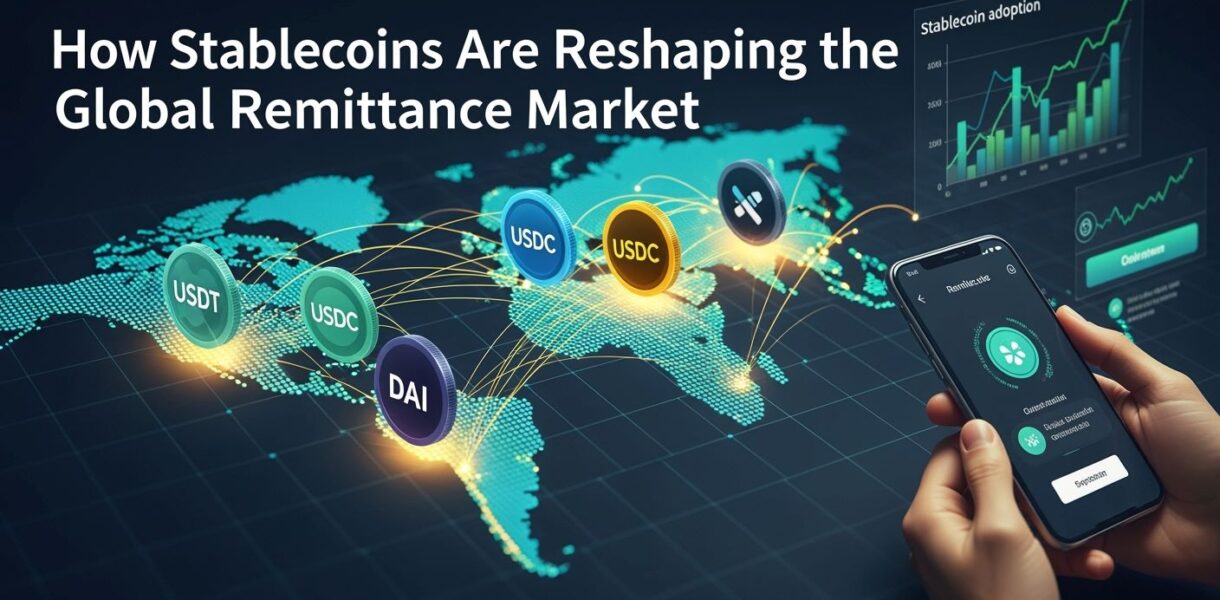
How Stablecoins Are Reshaping the Global Remittance Market

How Stablecoins Are Reshaping the Global Remittance Market

Cross-border remittances represent one of the largest financial flows globally, with migrant workers sending over $800 billion annually to support families in their home countries. Understanding how to buy usdt and other stablecoins has become increasingly relevant as these digital assets emerge as powerful alternatives to traditional money transfer services. Stablecoins—cryptocurrencies pegged to stable assets like the US dollar—are addressing the persistent pain points of high fees, slow settlement times, and limited accessibility that have long plagued the remittance industry.

The Role of Stablecoins in Cross-Border Payments

The Role of Stablecoins in Cross-Border Payments

Stablecoins are revolutionizing the landscape of cross-border payments by offering a digital currency solution that combines the speed and efficiency of blockchain technology with the stability of traditional fiat currencies. These cryptocurrency assets, pegged to stable reserves like the US dollar or other commodities, eliminate the volatility typically associated with digital currencies while maintaining their technological advantages. As global commerce continues to expand and demand for faster, more cost-effective payment solutions grows, stablecoins have emerged as a compelling alternative to traditional banking systems for international transactions.

Regulation Watch: The Future of Stablecoins in the UK and EU

Regulation Watch: The Future of Stablecoins in the UK and EU

Stablecoins have emerged as one of the most significant developments in the cryptocurrency ecosystem, offering the promise of digital assets with stable value backed by traditional currencies or other assets. These digital tokens are designed to maintain price stability through various mechanisms, making them attractive for payments, remittances, and as a bridge between traditional finance and the digital asset world. As their adoption grows exponentially, reaching market capitalizations in the hundreds of billions, stablecoins have captured the attention of regulators worldwide who recognize both their potential benefits and systemic risks.

Algorithmic Stablecoins: Lessons from Terra’s Collapse

Algorithmic Stablecoins: Lessons from Terra’s Collapse

The collapse of TerraUSD (UST) and its companion token LUNA in May 2022 stands as one of the most significant catastrophes in decentralized finance history, wiping out nearly $80 billion in market value within days. This watershed moment exposed fundamental vulnerabilities in algorithmic stablecoin design and sent shockwaves throughout the entire crypto ecosystem, triggering widespread DeFi contagion and prompting urgent regulatory responses worldwide.

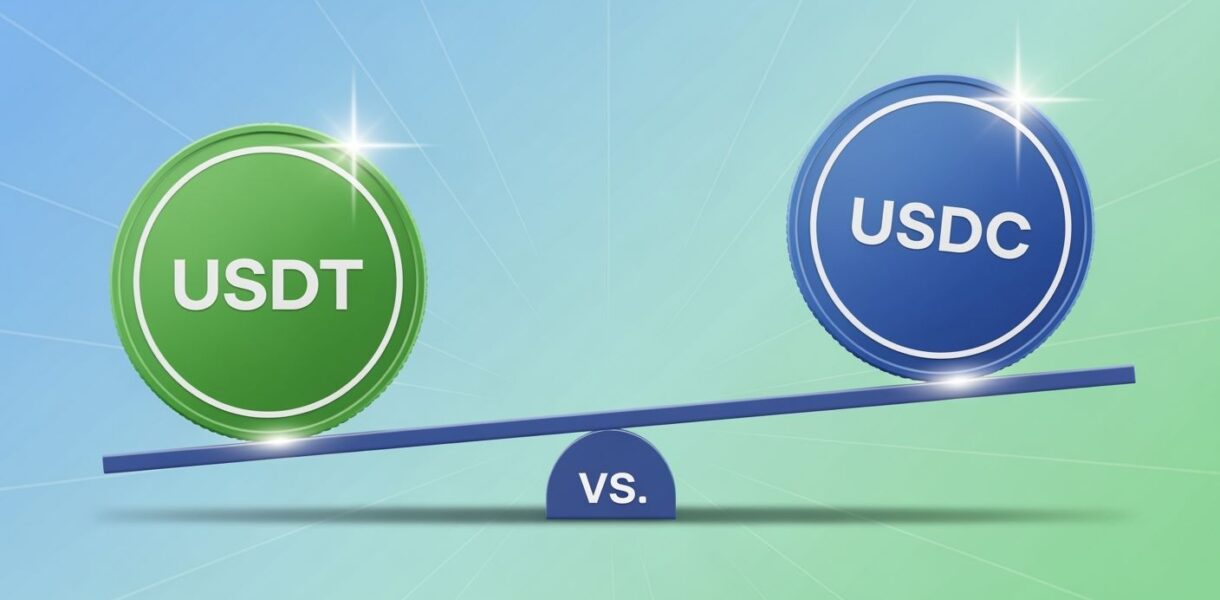
USDT vs. USDC: Which Stablecoin Is Truly Safer?

USDT vs. USDC: Which Stablecoin Is Truly Safer?

The rise of stablecoins has fundamentally transformed the cryptocurrency landscape, with these dollar-pegged digital assets now serving as the backbone of crypto trading, DeFi protocols, and cross-border payments. As we navigate 2025, the question of safety has become paramount for both retail traders managing their portfolios and institutional investors allocating millions in digital assets. Two titans dominate this space: Tether’s USDT and Circle’s USDC, collectively representing over $180 billion in market capitalization.